


The Medicare GLP-1 Bridge program offers certain eligible people access to select weight-management drugs for a $50 copay. Learn what's covered and who may qualify.

Annual Enrollment for Medicare runs October 15 – December 7, 2026. Here's what to know about comparing plans, key dates, and how to get ready.

2027 ACA Marketplace open enrollment dates continue to change. See the latest HealthCare.gov dates, key enrollment deadlines and what to know about state exchanges.

A Chronic Condition Special Needs Plan (C-SNP) is a Medicare Advantage plan built around conditions like diabetes or heart failure. See how it works.

Original Medicare doesn’t cover hearing aids, but you still have options. Here’s a clear breakdown of Medicare Advantage, OTC hearing aids, and other ways to save.
The Medicare GLP-1 Bridge program offers certain eligible people access to select weight-management drugs for a $50 copay. Learn what's covered and who may qualify.
Annual Enrollment for Medicare runs October 15 – December 7, 2026. Here's what to know about comparing plans, key dates, and how to get ready.
2027 ACA Marketplace open enrollment dates continue to change. See the latest HealthCare.gov dates, key enrollment deadlines and what to know about state exchanges.
A Chronic Condition Special Needs Plan (C-SNP) is a Medicare Advantage plan built around conditions like diabetes or heart failure. See how it works.
Original Medicare doesn’t cover hearing aids, but you still have options. Here’s a clear breakdown of Medicare Advantage, OTC hearing aids, and other ways to save.

Thinking about a wheelchair or mobility scooter? Learn what Medicare covers under Part B, what your doctor must document first, and how to avoid a denied claim.

Every fall, Medicare Advantage and Part D plans mail an Annual Notice of Change. Learn what it means for your costs, coverage, and doctors next year.

Open enrollment for 2027 ACA coverage ends earlier, and the February start date is going away. Find the currently-known national schedule and your state's timelines here.
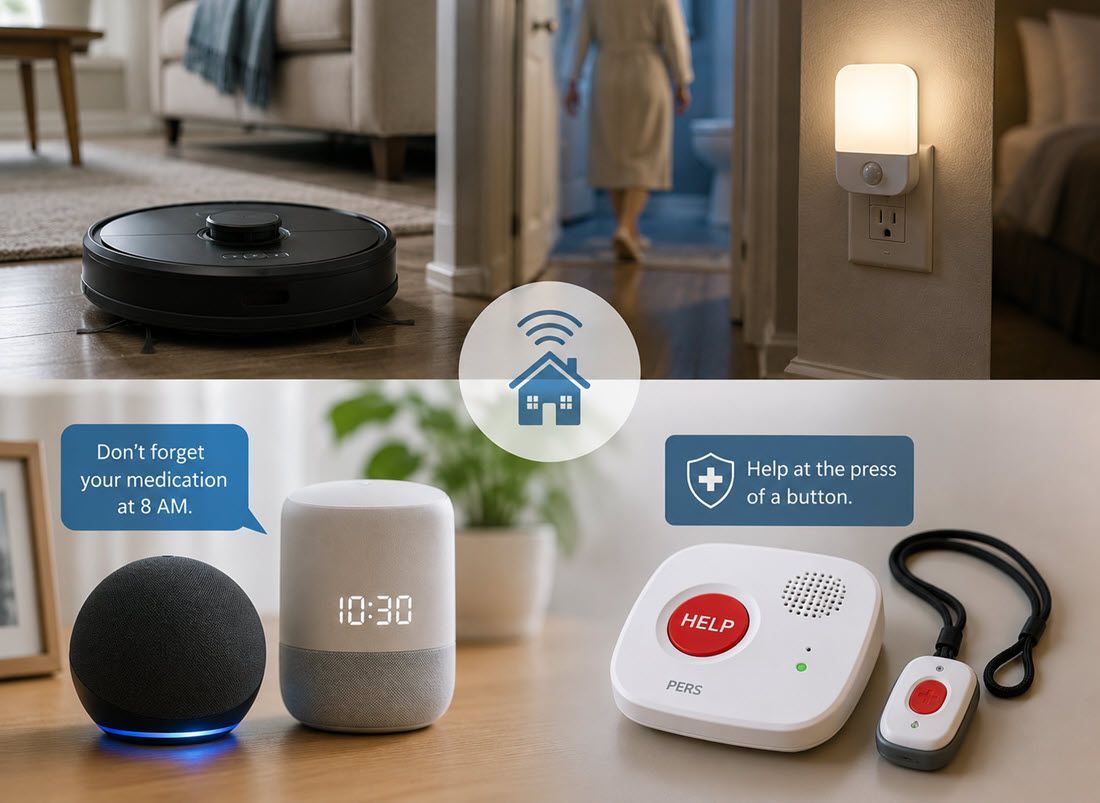
See how smart lighting, robot vacuums, stove shut-offs, medication reminders, and fall monitors can help seniors at home, plus what Medicare and Medigap do and do not cover.

Learn what Medicare covers for skin cancer screenings, dermatologist visits, biopsies, and treatment, plus tips for prevention and early detection.